Christmas Fairies: Whimsical Design Assets for Modern Creative Workflows
Christmas Fairies aren’t just nostalgic ornaments or storybook characters—they’re a quietly rising motif in contemporary visual design. Think beyond tinsel and tradition: these figures embody warmth, gentle magic, and intentional charm—qualities that resonate deeply with today’s audiences. Whether you're designing an eco-conscious holiday email campaign, crafting a boutique brand identity, or building classroom resources for seasonal learning, Christmas Fairies offer a versatile, emotionally grounded aesthetic. Their appeal lies in balance: playful enough to delight, refined enough to feel premium, and adaptable enough to scale across digital and print.
Why Christmas Fairies Fit Today’s Creative Landscape
Modern creators increasingly favor design elements that carry narrative weight without demanding attention. Unlike bold, high-contrast trends that dominate feeds for seconds, Christmas Fairies thrive in quieter spaces—email headers, printable planners, teacher resource kits, small-batch packaging, and social media carousels where tone matters as much as clarity. This aligns with broader shifts: users scroll faster but pause longer for authenticity; brands invest in cohesive visual systems rather than one-off assets; and educators seek inclusive, joyful visuals that avoid cliché while honoring seasonal spirit.
What makes Christmas Fairies especially relevant now is their flexibility within evolving workflows. Designers no longer rely solely on stock libraries built for mass appeal. Instead, they curate modular, high-fidelity assets—like those in this collection—that integrate seamlessly into vector-based pipelines (Illustrator, Figma), support responsive scaling, and maintain integrity across devices and outputs. That’s not just convenient—it’s essential when launching time-sensitive campaigns or iterating on client feedback in real time.
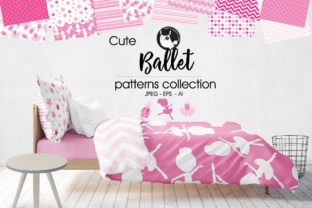
A Super Cute, High-Quality Pattern Background Design That Works Harder
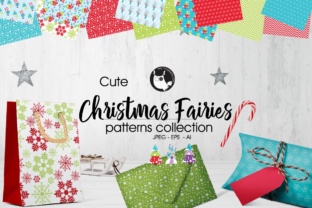
The pattern background design included here isn’t merely decorative. It’s engineered for utility. Each repeat unit balances rhythm and rest—soft curves, subtle spacing, and consistent line weight ensure the pattern feels cohesive at 10% opacity on a business card or full-bleed at 300 DPI on a gift tag. “Super cute” doesn’t mean childish; it means carefully calibrated charm—rounded wings, delicate halos, minimal facial features—that reads as approachable yet professional.
This kind of background design responds directly to current expectations around visual consistency. Consider how often a single campaign spans Instagram Stories, printable PDFs, Canva templates, and Shopify banners. A well-built pattern eliminates guesswork: drop it into Illustrator, adjust global swatches, and instantly harmonize color across deliverables. No pixelation. No reworking. Just reliable, scalable beauty.
What You’ll Receive—and Why Format Choice Matters
This collection delivers exactly what professionals need—not more, not less:
- One EPS Vector File: Universally compatible, ideal for print vendors, sign shops, or legacy software. Preserves editability and crispness at any size—even billboard scale.
- One Adobe Illustrator (.ai) File: Fully layered, with named groups, editable text (where applicable), and organized artboards. Perfect for customizing colors, isolating elements, or integrating into existing brand files.
- Individual hi-res 300 DPI JPEGs: Each graphic saved separately—no cropping, no compression artifacts. Ready for immediate use in PowerPoint decks, LMS platforms, blog posts, or email builders that don’t accept vector uploads.
Format diversity isn’t about redundancy—it’s about reducing friction. A freelance educator can grab a JPEG fairy for a Google Slides lesson in under 30 seconds. A marketing director can hand the .ai file to their designer for precise Pantone matching in a product launch. A small-business owner can upload the EPS directly to their print-on-demand partner. The same asset serves distinct roles, because the delivery respects how people actually work—not how theoretical workflows are supposed to function.
Evolving Expectations Around Seasonal Design
Seasonal graphics used to follow predictable cycles: generic snowflakes in November, red-and-green overload by mid-December, then abrupt silence until next year. Today, that approach feels dated. Audiences respond better to continuity—think “holiday season” as a thoughtful arc rather than a single event. Christmas Fairies support this shift. They’re inherently warm but not overly festive, timeless but not sterile. Paired with soft neutrals or muted jewel tones, they extend relevance from late November through early January—ideal for post-holiday sales, gratitude campaigns, or New Year reflection materials.
There’s also growing awareness of cultural nuance. Christmas Fairies avoid overt religious iconography while retaining ceremonial resonance—making them suitable for secular institutions, international markets, and inclusive classrooms. That subtlety isn’t accidental; it reflects how designers now weigh accessibility, audience diversity, and long-term reuse value alongside aesthetics.
Practical Use Cases Across Roles
You don’t need to be a graphic designer to benefit from these assets. Here’s how different professionals apply them meaningfully:
- Bloggers & Content Creators: Layer a Christmas Fairy over a newsletter banner to reinforce brand voice—playful yet polished. Use the pattern background as a subtle texture behind quote graphics or recipe cards.
- Educators: Print individual fairies as cut-out manipulatives for storytelling units. Apply the pattern as a calming background in digital worksheets or interactive whiteboard activities.
- Small Business Owners: Add a fairy icon to packaging tape seals or thank-you cards. Use the vector background to unify holiday-themed product photography backdrops.
- Freelancers & Agencies: Build reusable Canva templates for clients using the JPEGs as drag-and-drop elements. Keep the .ai file on hand for quick client revisions—swap colors, resize proportions, or isolate wings for icon sets.
- Hobbyists & DIY Enthusiasts: Import the EPS into Cricut Design Space or Silhouette Studio for precision cutting on cardstock or vinyl. Scale the JPEGs for embroidery transfers or resin mold references.
Quality That Supports Real Work, Not Just Pretty Pictures
“High quality” in this context means more than resolution. It means intentional spacing between repeated elements so patterns tile cleanly. It means vector paths built with minimal anchor points—smooth, efficient, and easy to modify. It means shadows and highlights applied with transparency layers (not flattened raster effects), preserving flexibility. It means each JPEG is exported with embedded color profiles, so what you see on screen matches your printed proof.
That level of craftsmanship saves hours. Imagine adjusting a background hue across ten social posts: with a vector file, it’s one global swatch change. With flattened PNGs, it’s ten manual edits—and potential inconsistencies. Or consider printing 500 greeting cards: the EPS ensures razor-sharp edges at 12×12 inches, while a low-res JPEG would blur or pixelate at that scale. These aren’t hypothetical concerns—they’re daily pain points for working professionals.
Moving Beyond Decoration Toward Intentional Visual Language
Christmas Fairies represent something deeper than seasonal decoration: they signal care in communication. When a therapist shares a printable holiday coping guide with a soft fairy motif, it conveys gentleness. When a sustainable skincare brand uses the pattern on its limited-edition box, it suggests thoughtfulness—not just festivity. That alignment between visual choice and message intent is what separates memorable creative work from forgettable noise.
As tools evolve—AI-assisted layout tools, collaborative cloud editors, dynamic template engines—the value of human-crafted, purpose-built assets like this collection only increases. Algorithms generate volume; skilled designers curate meaning. Christmas Fairies, rendered with precision and warmth, become part of that curation—a quiet but powerful way to say, “This matters. You matter.”